The subtropical climate of the Sunshine Coast demands a lot from residential air conditioning systems. With high humidity levels prevalent throughout the coastal corridor from Caloundra to Noosa, air conditioners extract substantial amounts of moisture from indoor air daily. This condensation drains away via a dedicated PVC drain pipe. However, warm and moist coastal conditions create an ideal environment for algae, mould, and sediment to accumulate, ultimately causing blockages. Left unaddressed, a clogged drain pipe https://raymondspvx076.laurelcurrent.com/posts/ultimate-guide-to-solar-powered-air-conditioning-at-home can lead to indoor water damage, ceiling leaks, mould growth, and automatic system shutdowns.
Regular maintenance ensures optimal system efficiency and safeguards your property against costly water repairs. Below are five straightforward steps to clear your AC condensation drain line safely and effectively.
Warning Signs of a Blocked AC Drain Pipe
Catching a blockage early prevents moisture spillover into your ceiling cavity or wall framing. Common symptoms indicating your drain line requires attention include:

- Standing water: Water pooling around the indoor head unit, ducted air handler, or drip tray. Musty odours: Lingering damp or mildew smells when the cooling cycle engages. System cycling off: Modern units equipped with float safety switches shutting down prematurely. No outdoor discharge: Lack of condensation dripping from the external drain line while the AC runs during humid weather.
Step-by-Step Guide: Clearing Your Drain Line
Cleaning your air conditioner drain pipe is a manageable maintenance task that homeowners can complete with basic household items. Follow these five practical steps to restore proper flow.
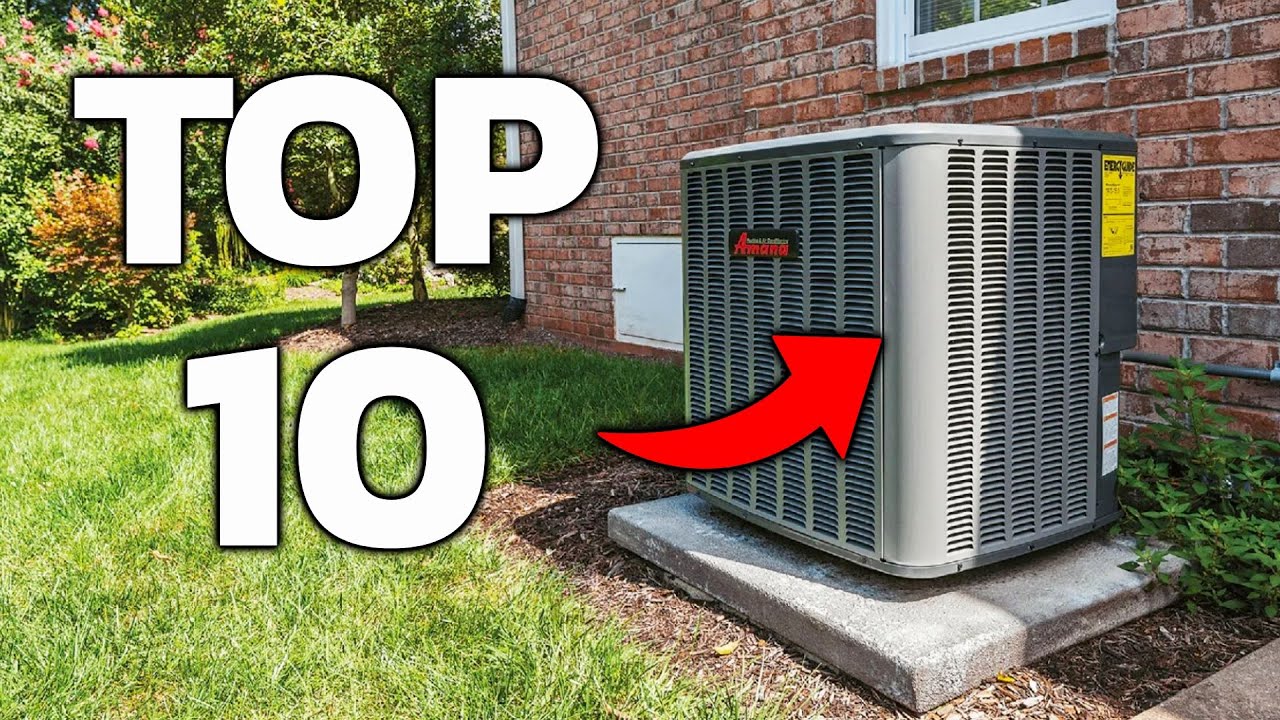
Isolate Electrical Power: Safety is paramount. Always switch off your air conditioning unit at the wall controller and turn off the dedicated circuit breaker in your switchboard before undertaking maintenance. This eliminates electrical shock hazards and prevents the system from cycling on during cleaning. Locate the Drain Line and Access Point: On split systems and ducted indoor units, identify the PVC condensation drain pipe. Ducted roof or closet units typically feature an open, T-shaped vent pipe with an unglued cap. Remove the cap to inspect the inside of the line for sludge, algae, or standing water. Extract Loose Sludge with a Wet/Dry Vacuum: Head outside to locate the exit point of the drain line, commonly found near your outdoor compressor unit or directed toward garden beds. Attach the nozzle of a wet/dry vacuum to the pipe outlet using a clean rag or duct tape to create an airtight seal. Run the vacuum for two to three minutes to extract accumulated organic matter, debris, and standing water. Flush with Distilled White Vinegar: Return to the indoor access port and slowly pour approximately 250 to 500 millilitres of regular distilled white vinegar down the pipe. Avoid harsh commercial chemical drain cleaners, as caustic solutions can degrade PVC fittings and emit hazardous fumes inside your living spaces. Let the natural acidity of the vinegar sit for 30 to 45 minutes to dissolve lingering algae spores and bacteria. Rinse and Verify External Drainage: Slowly flush the drain pipe with a jug of warm (not boiling) clean tap water. Go outside to confirm the water flows freely through the exterior outlet. Once clear drainage is verified, replace the inspection cap securely, restore mains power at your switchboard, and run the cooling cycle to confirm proper operation.
Preventing Future Blockages on the Sunshine Coast
Given the region's elevated humidity, AC systems generate continuous condensation. To prevent sudden backups during peak summer heatwaves, perform this vinegar flush every three to six months. Furthermore, ensure that the exterior pipe outlet remains clear of garden mulch, dirt, and nesting insects such as mud wasps, which frequently obstruct drainage lines in coastal Queensland.
When to Engage a Professional HVAC Specialist
While standard maintenance can resolve minor blockages, stubborn obstructions may require pressurised nitrogen flushing or specialised pipe snaking. If your drain pan continues to overflow, if you observe signs of water staining on plasterboard, or if electrical safety switches repeatedly trip, contact a licensed Sunshine Coast air conditioning technician. Professional technicians provide comprehensive evaporator coil cleaning, sanitisation, and drainage testing to keep your cooling system running at peak performance year-round.
Sunshine Coast Air Conditioning
Unit 2/71 Wises Rd, Buderim QLD 4556
(07) 4145 1005